How CareBridge supports fibromyalgia patients
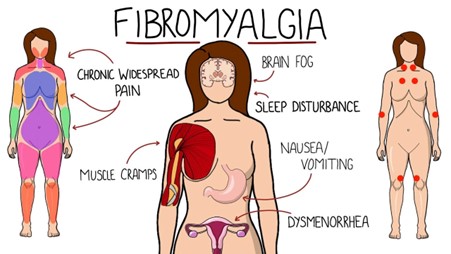
Fibromyalgia is a recognised chronic condition characterised by widespread musculoskeletal pain, fatigue, sleep disturbance, and cognitive difficulties. It is a real, documented condition with published diagnostic criteria — and yet patients with fibromyalgia consistently report some of the longest paths to recognition of any chronic condition.
The barrier is rarely that the symptoms are not there. The barrier is that fibromyalgia does not show up on standard blood tests or imaging, which means the entire clinical case depends on how well a patient can present their history — and how well their treating clinician can receive it.
CareBridge does not diagnose fibromyalgia, prescribe treatment, or replace your clinical team. What CareBridge does is help you arrive at every appointment with the clearest, best-organised version of your health story — so the clinician has what they need to act.
What CareBridge prepares for fibromyalgia patients
- Symptom timeline — a structured chronological record of when symptoms began, how they have evolved, what makes them better or worse, and how they affect daily function.
- Test result summary — organising existing blood tests, imaging, and specialist reports into a clear document that shows what has already been investigated and what the results found.
- GP appointment brief — a focused one-to-two page document your GP can read in advance of your appointment, summarising your history and the specific questions you need answered.
- Specialist referral support — preparing an evidence-organised Health Evidence Summary to support your GP in writing a well-substantiated referral to a rheumatologist or pain specialist.
- Question list — a prioritised set of questions for your appointment, based on your history and what you need to know.
- Follow-up coordination — tracking outstanding referrals, pending investigations, and next steps after an appointment.
Why fibromyalgia patients benefit from health navigation
Fibromyalgia sits at an intersection that makes it particularly difficult to navigate without support. It involves multiple body systems, multiple possible specialists (GPs, rheumatologists, pain management specialists, neurologists, sleep physicians), and a diagnostic process that is largely exclusionary — meaning other conditions need to be ruled out first.
That means years of appointments, tests, and specialist visits — often with no single clinician holding the whole picture. By the time a patient reaches a rheumatologist, they may have seen five other doctors, had thirty tests, and remember only fragments of what each appointment found.
A CareBridge Health Evidence Summary brings that history together in one place, structured the way a clinician needs to read it. It does not tell your doctor what the answer is. It makes sure they have the complete picture to find it.
Patient experience
“I had been seeing different GPs for nearly four years. Every time I tried to explain my symptoms, I felt like I was starting from scratch. CareBridge put together a timeline that covered everything — all my test results, all my specialists, all the things I had been trying to explain for years. My rheumatologist told me it was the most useful patient document she had seen in a long time.”
— CareBridge client, Perth WA
Name withheld for privacy. Story shared with consent.
What CareBridge does not do
It is important to be clear about the boundaries of this service:
- CareBridge does not diagnose fibromyalgia or any other condition
- CareBridge does not prescribe or recommend any medication or treatment
- CareBridge does not replace your GP, rheumatologist, or any registered health practitioner
- CareBridge does not provide medical, legal, or financial advice
- CareBridge does not tell your doctor what to do or what to prescribe
These are not gaps in the service — they are intentional, non-negotiable boundaries that protect you and define what makes CareBridge safe to use alongside your clinical team.
Fibromyalgia and related conditions
Fibromyalgia frequently presents alongside other conditions that also involve complex, overlapping symptoms. Patients CareBridge works with often have histories that include one or more of:
- Chronic Fatigue Syndrome / ME·CFS — persistent fatigue, post-exertional malaise, and cognitive difficulties
- Postural Orthostatic Tachycardia Syndrome (POTS) — heart rate and autonomic dysregulation
- Hypermobile Ehlers-Danlos Syndrome (hEDS) — connective tissue hypermobility, joint instability, and widespread pain
These overlapping presentations are one of the reasons the health navigation process is so valuable — because the full picture spans multiple specialists, and someone needs to hold all of it together.