Health education & navigation only. CareBridge is NOT a medical practice. The Health Navigator is not registered with AHPRA. Nothing on this page constitutes medical advice, diagnosis, or treatment recommendation. All clinical decisions remain with your treating registered health practitioner. Medical emergency: call 000.
What is Chronic Fatigue Syndrome?
Myalgic Encephalomyelitis / Chronic Fatigue Syndrome (ME/CFS) is a serious, chronic, multi-system disease characterised by profound fatigue that is not relieved by rest, post-exertional malaise (PEM), cognitive dysfunction (brain fog), and orthostatic intolerance. It is classified under ICD-10 as G93.3 and is recognised by the World Health Organisation.
ME/CFS affects an estimated 250,000 Australians. It is not a psychological condition — it involves measurable abnormalities in immune function, energy metabolism, and autonomic regulation. The 2021 NICE guidelines explicitly state that graded exercise therapy (GET) is not recommended for ME/CFS and may cause harm, and that cognitive behavioural therapy is not a curative treatment.
ME/CFS frequently develops following viral illness — most notably COVID-19, where a significant proportion of long COVID patients meet the diagnostic criteria for ME/CFS. Other triggers include Epstein-Barr virus (glandular fever) and other acute infections.
How does it get recognised?
ME/CFS is a clinical diagnosis. Post-exertional malaise (PEM) is the hallmark feature that distinguishes ME/CFS from other causes of fatigue and is required for diagnosis under all major criteria sets.
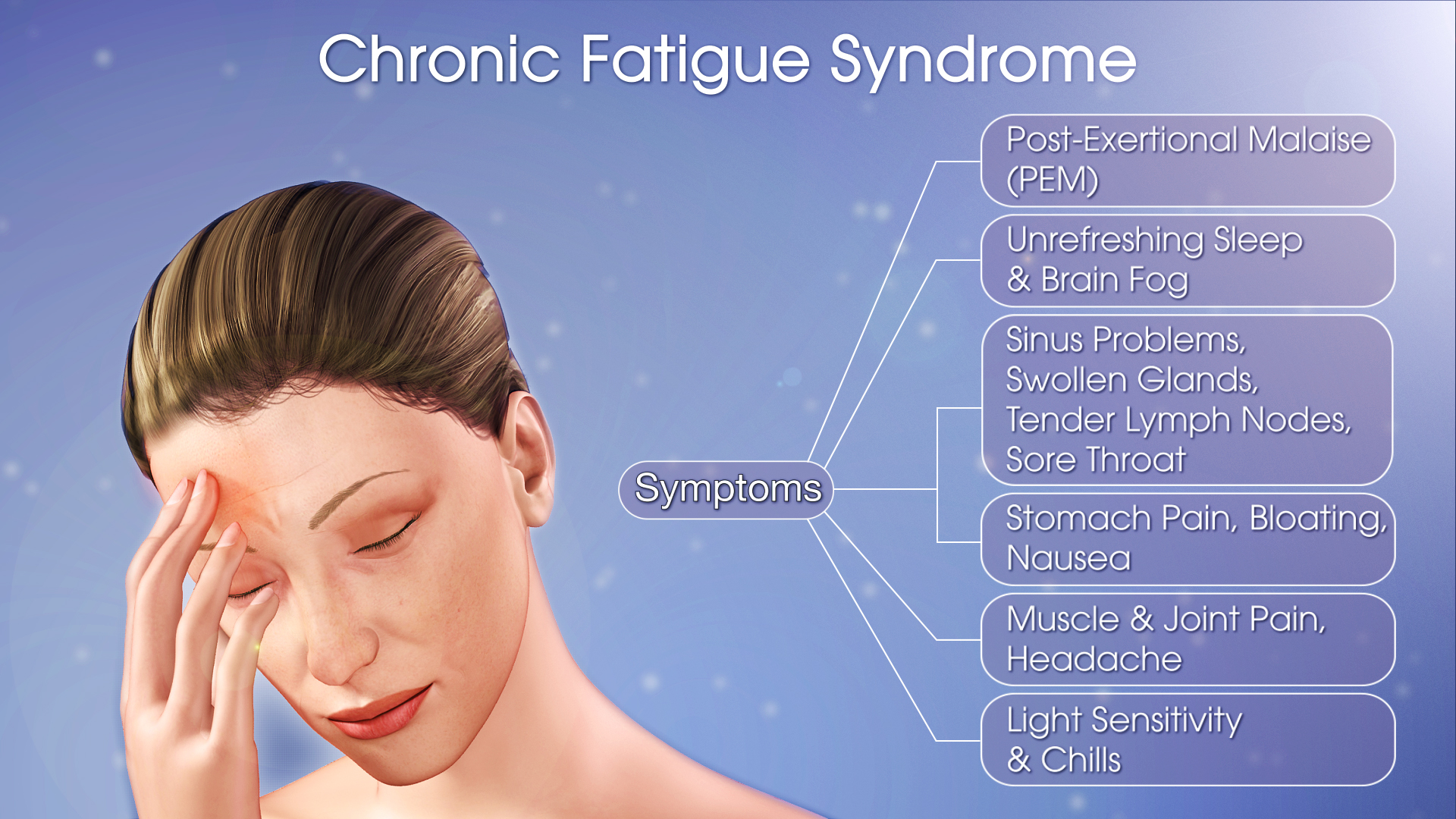
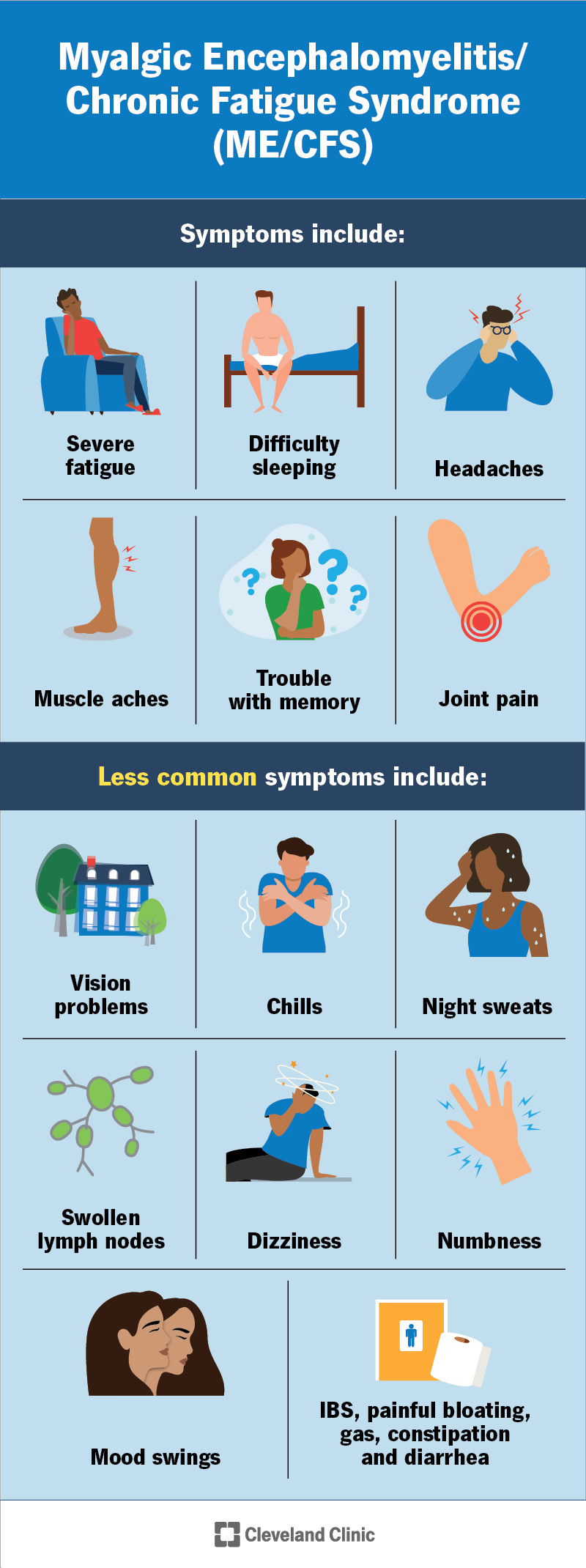
Common reported symptoms:
- Profound, disabling fatigue not relieved by rest
- Post-exertional malaise (PEM) — symptom worsening after activity
- Cognitive dysfunction — brain fog, memory problems
- Unrefreshing sleep despite adequate duration
- Orthostatic intolerance — worsening symptoms when upright
- Pain — widespread muscle pain, headaches, joint pain
- Sensory sensitivities — light, sound, smell
- Sore throat, tender lymph nodes
- Palpitations and autonomic symptoms
- Gastrointestinal symptoms — nausea, IBS-like presentation
- Immune dysfunction — frequent infections, flu-like episodes
- Significant reduction in activity level from pre-illness
Why does it take so long to get answers?
ME/CFS is chronically under-diagnosed and mismanaged in Australia. Many patients are told their fatigue is caused by depression, deconditioning, or poor lifestyle. Because PEM is not a symptom most GPs enquire about routinely, the hallmark feature of ME/CFS is often missed entirely.
The legacy of graded exercise therapy — which was historically recommended but has since been removed from guidelines — has left many patients with experiences of being harmed by treatment. Rebuilding trust with a GP and presenting the current evidence base is often the most important first step.
How is it currently diagnosed in Australia?
ME/CFS is diagnosed clinically using symptom-based criteria. The most commonly referenced are the 2011 International Consensus Criteria (ICC) and the 2003 Canadian Consensus Criteria (CCC), both of which require PEM as a core feature. The Fukuda (CDC) criteria are still used by some GPs but are considered less specific.
There is no confirmatory diagnostic test for ME/CFS. Diagnosis involves ruling out other causes of fatigue — thyroid disease, anaemia, sleep disorders, autoimmune conditions — and confirming the symptom pattern including PEM duration and severity.
In Australia, ME/CFS specialists are rare. Most patients are managed by GPs, with referral to immunology, infectious disease, or neurology for complex cases. The 2021 NICE ME/CFS guidelines are increasingly used as the clinical reference standard by informed practitioners in Australia.
How CareBridge helps
CareBridge prepares a report mapping your symptoms to the International Consensus Criteria (ICC) or Canadian Consensus Criteria (CCC), presenting the 2021 NICE guidance on ME/CFS management, and framing a GP referral request to appropriate specialists. The document specifically includes the NICE statement that graded exercise therapy is not recommended, which is relevant if you have previously been harmed by this approach.
For patients with post-COVID fatigue or long COVID, the report includes a section on published evidence linking long COVID to ME/CFS-like presentation and the current Australian and international guidance on assessment pathways.
View report tiers and pricing →